Sequences vs. Marketing Emails in HubSpot
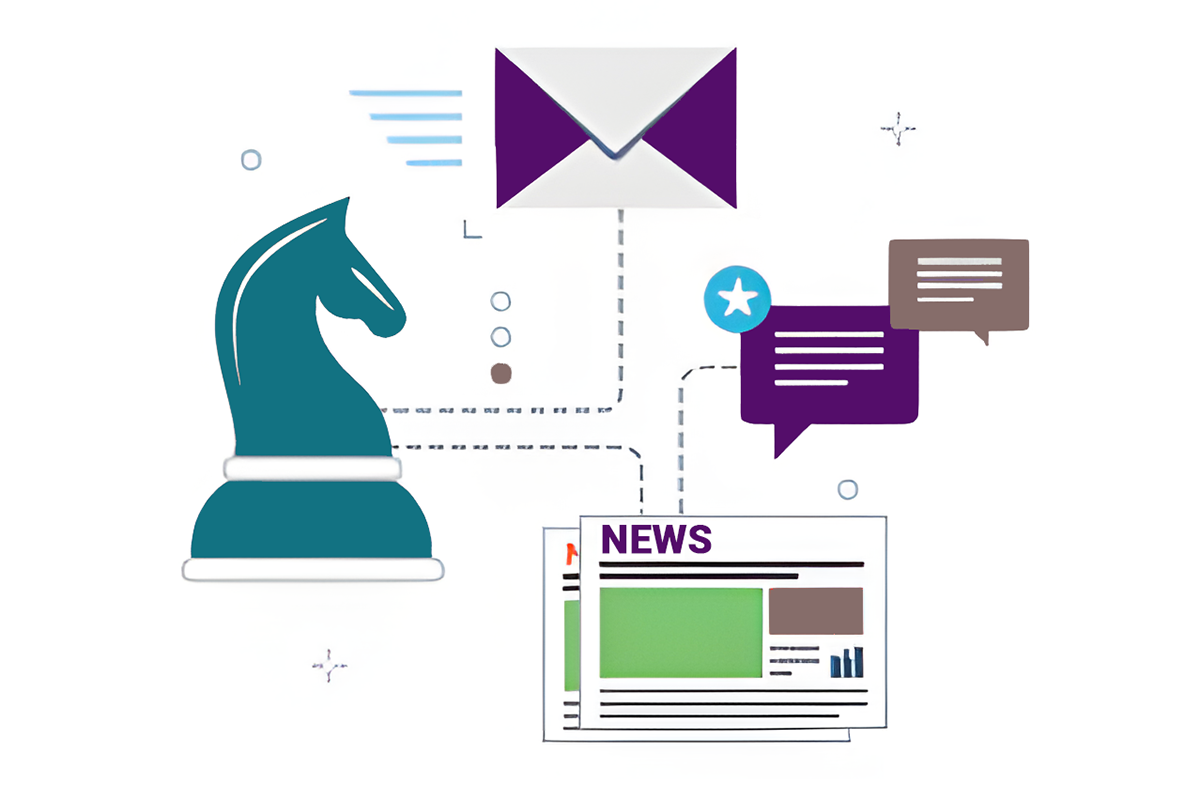
Sequences look like human-sent messages and often inbox better
What Most Teams Get Wrong (and How to Fix It)
If you’ve been in HubSpot long enough, you’ve probably hit this wall: one type of email gives you bounce rates, deliverability scores, and A/B test results, while the other seems to operate in the dark. Very little reporting. Seemingly hidden metrics on what was sent. What gives?
The confusion is real, and it’s one of the most common things I untangle with clients. Using the wrong tool doesn’t just mean missing out on data — it can quietly tank your sender reputation, land you in spam, or make your outreach feel tone-deaf to the person on the receiving end. Here’s what you actually need to know.
Marketing Emails Are Built for Scale — Not Conversation
Marketing emails are your broadcast channel. They go to lists, segments, and sometimes entire databases — from newsletter subscribers to mid-funnel leads getting nurtured toward a decision. HubSpot loads them up with all the tools that bulk sending requires: deliverability reporting, bounce categorization, A/B testing, send-time optimization, and CAN-SPAM compliance features like unsubscribe links and address footers.
All of that visibility exists because marketing emails run through HubSpot’s marketing sending infrastructure — a shared IP environment that Gmail, Outlook, and Apple Mail evaluate very differently than personal inbox-to-inbox messages. This matters more than most people realize. According to Validity’s 2025 Email Deliverability Benchmark Report, only about 83.5% of emails sent worldwide actually reach the inbox. That means roughly 1 in 6 legitimate, permission-based marketing emails gets filtered, spam-folded, or disappears before your contact ever sees it.
The problem is getting worse, not better. If you’re sending to a lot of Microsoft users, brace yourself — Office 365 inbox placement dropped from 77.4% to just 50.7% in a single year. That’s more than half of your sends potentially missing the inbox entirely. And that’s with good content and permission-based lists.
This is exactly why the tracking tools HubSpot builds into marketing emails aren’t optional extras — they’re the only way to know whether any of this is actually working. Use them. Watch your deliverability numbers. Pay attention to bounce categories and spam complaints. The reporting exists because bulk email is a deliverability risk by its very nature, and you need the visibility.
Marketing emails are the right choice when you’re running a campaign, sending a newsletter, nurturing a segment, or any time you need branded templates, compliance footers, or performance data. They’re not the right choice when you want a message to feel like it came from a real person, or when you’re hoping someone will actually reply.
Sequences Are Personal — and That’s Exactly the Point
Sequences in HubSpot work completely differently. They send directly from a connected user inbox, which means the email looks like it came from your rep — not from a marketing platform. No HubSpot headers. No unsubscribe footer. No shared IP reputation. It behaves like a normal human-sent email because, technically, it is one.
This is why sequences often land in the Primary inbox while marketing emails end up in Promotions or Spam. Mailbox providers are trained to treat one-to-one messages with more trust than bulk sends. The tradeoff is that because it’s treated like a personal email, you won’t see marketing-style reporting. No bounce dashboard. No spam complaint rates. No deliverability score. That absence isn’t a bug or a missing feature in HubSpot — it’s inherent to how 1:1 email works. Personal emails have never had that kind of reporting layer, and they’re not going to start.
The data makes a good case for why sequences deserve serious attention. A Belkins analysis of 16.5 million cold emails found that the average cold email response rate is around 5.8% — but sending even one follow-up increases that rate by nearly 50%. Sequences are built for exactly this kind of structured, persistent follow-up. They’re a sales tool, not a marketing tool, and treating them like one produces very different results.
Use sequences for direct sales outreach, personalized follow-up, relationship building, and any time you want the recipient to reply to an actual human being. Avoid them when you’re reaching more than a handful of people at once, need compliance features, or need to measure performance at scale. Sequences aren’t a workaround for marketing emails — and using them that way will hurt you.
Why Deliverability Looks So Different Between the Two
The most common question I hear is: “Why don’t I have a deliverability score or spam complaint rate for my sequences?” Or the flip side: “My marketing email open rates look great — why is nobody buying anything?”
Here’s the short version. Marketing emails are evaluated as bulk sends. Sequence emails are evaluated as normal human messages. That one difference cascades into everything: where they land, how they’re filtered, what gets tracked, and how you should actually measure success.
For marketing emails, deliverability is a performance metric you can actively manage. You can see where messages land, track bounces, and monitor spam complaints. Gmail now requires bulk senders to keep spam complaint rates below 0.10%, and flags anything above 0.30%. That’s a tight window, and it’s why list hygiene, domain authentication, and smart segmentation aren’t nice-to-haves.
For sequences, “deliverability” is more informal. You’re relying on the rep’s domain reputation and inbox behavior to carry the message. It’s less measurable — but that’s intentional. If a sequence email looks and behaves like a human-sent message, it gets treated like one by mail servers, which is a meaningful advantage.
Worth noting: open rates aren’t as reliable a signal as they used to be. Apple Mail Privacy Protection pre-loads images in emails, which inflates open tracking data significantly. Research from Litmus found that Apple Mail Privacy Protection accounted for roughly 52.6% of observed opens after it launched — meaning a huge chunk of “opens” may not reflect actual human engagement. For sequences, this matters a lot. Reply rate is what you should be watching, not opens.
One simple way I frame it for clients: if it feels like a conversation, use a sequence. If it feels like an announcement, use a marketing email.
Teajai Kimsey has been in email marketing since 2005 — back when the Wichita Eagle ran a feature on her work called “Direct Mail Goes Online.” Today she’s a HubSpot Solutions Partner and Upwork Top Rated Plus consultant serving small and mid-size B2B companies. She works directly with clients — no handoffs, no junior staff.
Email Best Practices Worth Actually Following
For marketing emails:
Authenticated senders are 2.7x more likely to reach the inbox than unauthenticated ones — and Google, Yahoo, and Microsoft have all made authentication mandatory for bulk senders since 2024. That’s your starting point. If your emails are already landing in spam and you’re not sure what’s broken, I wrote a full diagnostic guide here: Why Your HubSpot Emails Are Going to Spam. For everyone else, start here:
- Set up SPF, DKIM, and DMARC on your sending domain before anything else
- Clean your list regularly — I use and recommend ZeroBounce
- Segment before you send; segmented campaigns generate 30% more opens and 50% more click-throughs than blasting your entire database
- Warm up new domains gradually — don’t go from zero to thousands overnight
- Test on Gmail, Outlook, and Apple Mail before rolling out to your full list
- Use A/B tests for subject lines and content, not just design
For sequences:
The goal is to look and feel like a human sent it — because that’s exactly what’s supposed to be happening.
- Keep emails short, plain-text friendly, and easy to read on mobile
- Avoid heavy HTML templates; they signal “bulk send” to mail servers
- Space steps 2 through 7 further apart — don’t rush the follow-up
- Don’t enroll hundreds of contacts at once; your sender reputation will take the hit
- Measure reply rate, not open rates — opens are increasingly unreliable thanks to Apple Mail Privacy Protection
- Personalization goes deeper than a first name token; the best sequences feel like the sender did their homework
Both tools are powerful. The mistake is treating them as interchangeable.